

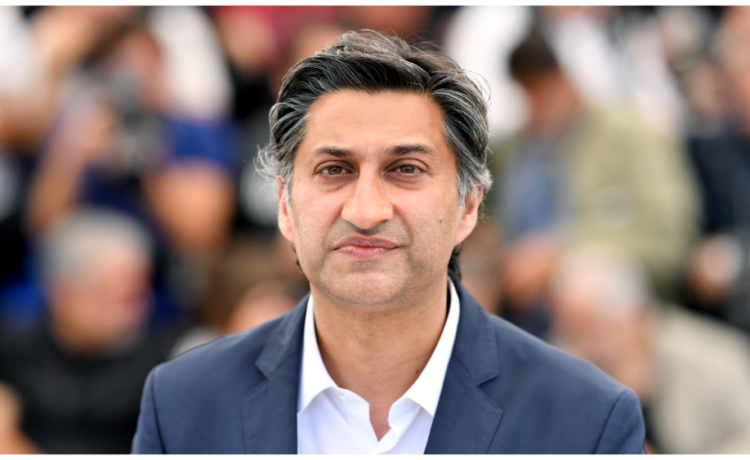
The trajectory of Asif Kapadia’s filmmaking career reflects a consistent drive to challenge cinematic conventions while maintaining a foundation in journalistic integrity. From his early narrative features to his deeply immersive documentaries, Kapadia has established a signature style rooted in archival research, nonlinear structure, and visual restraint. His rise as one of Britain’s most influential directors stems not only from awards and acclaim but from his commitment to exploring subjects through complex, human-centered storytelling.
Asif Kapadia’s approach to documentary form took shape with Senna, which redefined expectations by telling the story of Ayrton Senna entirely through archival footage. Without using traditional interviews or talking heads, Kapadia relied on visual material and voiceovers to construct an intimate portrait. This method emphasized authenticity while encouraging emotional resonance, allowing viewers to interpret footage without external narration. It set the tone for his later works, which continued to prioritize found footage as a narrative tool.
This methodology matured in Amy, a documentary that resisted tabloid simplifications of Amy Winehouse’s life. Kapadia’s editorial process involved reviewing countless hours of home videos, paparazzi recordings, and unreleased footage, searching for unfiltered glimpses of Winehouse’s personality. By including handwritten lyrics and personal recordings, the film crafted an internal dialogue that brought forward the complexities of her talent and vulnerabilities. His choice to layer visuals with reflective voiceovers, rather than direct commentary, created an immersive environment in which viewers could rediscover the artist on their own terms.
Asif Kapadia’s longstanding collaboration with editor Chris King has also played a central role in shaping the rhythm and coherence of his work. King’s sensitivity to pacing and atmosphere complements Kapadia’s instincts for narrative structure. Together, they construct films that are not only informative but experientially rich. Their working dynamic is defined by mutual trust and a shared commitment to integrity—whether dealing with sports figures, musicians, or broader political themes.
Kapadia’s filmmaking methods rely on deep preparation and unconventional access. In the case of Amy, gaining trust among Winehouse’s friends and collaborators was a gradual process. Many were reluctant to participate, given their mistrust of media. Kapadia’s strategy involved conducting interviews in dark, quiet spaces, using only audio recordings. He allowed subjects to speak freely, without contracts or preconditions, reviewing material only after a rough cut had been assembled. This approach earned him personal material that had never been shared publicly, transforming the documentary into an act of remembrance.
His storytelling sensibility has also drawn comparisons to investigative journalism. In past interviews, Kapadia has described his role as similar to that of a detective—mapping relationships, identifying key players, and discerning truth from contradiction. He approaches every film as an inquiry, building visual dossiers from seemingly mundane sources. From mobile clips to unreleased voicemail recordings, his capacity to elevate ordinary footage into emotionally resonant sequences underpins his impact as a filmmaker.
While his trilogy—Senna, Amy, and Diego Maradona—garnered widespread acclaim, it is the evolution of Kapadia’s interview and editing techniques that marks his lasting contribution. In Diego Maradona, he emphasized one chapter of the footballer’s life, avoiding a cradle-to-grave biography. Instead, he drew out thematic tensions—fame, addiction, identity—by using narrative devices more commonly found in genre films. His ability to position a sports documentary within the visual language of a gangster drama reflects a broader vision for nonfiction cinema.
Kapadia’s influence extends beyond his directorial work. He has participated in festivals and public forums to discuss the potential of archival storytelling and the ethics of narrative construction. His projects are often cited in discussions on the future of documentary filmmaking, particularly in the context of visual sourcing, authenticity, and political resonance. His style challenges filmmakers to rethink what constitutes a story and how that story can be told with both urgency and restraint.
Across his body of work, Asif Kapadia demonstrates a consistent effort to humanize his subjects while exploring systems that shape their lives. Whether through meticulous archival assembly or emotionally charged visual contrasts, his films stand as testaments to memory, interpretation, and the power of image to bear witness.