
Introduction to Fashion
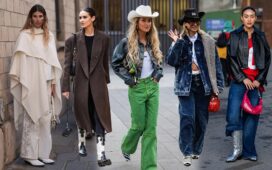
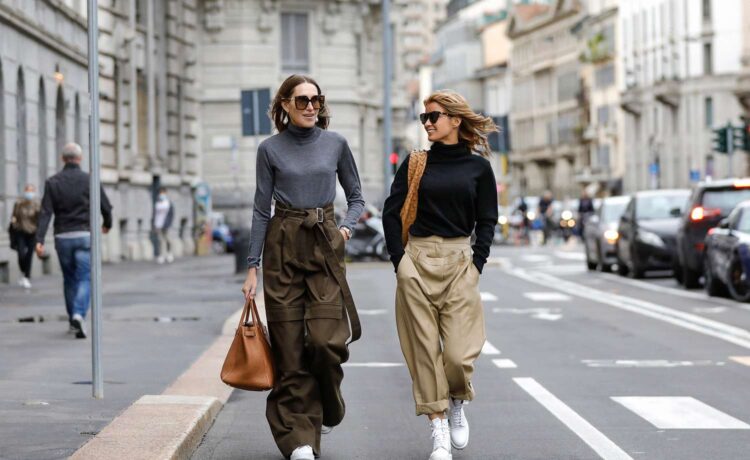
Fashion is more than clothing; it is a cultural expression, a social signal, and a reflection of identity. The way people dress speaks volumes about their values, traditions, and aspirations. Over centuries, fashion has shifted from being a marker of social hierarchy to becoming a global language of creativity and individuality. Today, the fashion industry combines art, commerce, and innovation, influencing not only how we look but also how we feel and interact with the world.
Historical Roots of Fashion
Fashion has always played a role in distinguishing social classes and traditions. In ancient civilisations, clothing was linked to status and ceremony. Egyptian royalty wore linen adorned with jewels, while medieval Europe used fabrics such as velvet and silk to signify nobility. The Renaissance period expanded the use of detailed embroidery and elaborate garments, marking fashion as an art form.
By the 18th and 19th centuries, fashion evolved with industrialisation. Tailoring, sewing machines, and textile mills made clothing more accessible. What was once exclusive to the wealthy gradually became available to the wider population, setting the stage for today’s ready-to-wear culture.
Fashion as a Reflection of Identity
Clothing choices often serve as an extension of personality. People use fashion to express creativity, confidence, or cultural pride. Subcultures like punk, goth, or streetwear demonstrate how fashion can symbolise rebellion, belonging, or innovation. Beyond individual expression, fashion acts as a mirror of society. The minimalist trends of the 1990s reflected economic caution, while today’s sustainable fashion movement mirrors growing environmental concerns.
The Role of Fashion in Modern Culture
Fashion today is deeply intertwined with culture, lifestyle, and global movements. Influences from film, music, and art often dictate mainstream trends. For instance, popular musicians or actors can spark the rise of a specific style, transforming niche looks into global phenomena. Social media amplifies this influence by turning everyday individuals into trendsetters.
Fashion also connects to cultural heritage. Traditional attire remains a symbol of pride across communities, worn during festivals and ceremonies, while also being reinterpreted into modern designs. This blending of tradition and modernity illustrates how fashion sustains identity while adapting to new times.
Fashion and Technology
Technology has revolutionised the fashion industry. Digital design tools allow creators to experiment with fabrics and silhouettes virtually before producing physical pieces. Online platforms make global fashion accessible at the click of a button. Augmented reality apps now let consumers “try on” clothes virtually, bridging the gap between digital convenience and physical shopping experiences.
Moreover, innovations in textiles have introduced smart fabrics that can regulate temperature, monitor health, or change colour. These advancements suggest that the future of fashion will not only be about aesthetics but also about functionality and well-being.
The Global Fashion Industry
Fashion is a multi-billion-pound industry employing millions worldwide. From design studios to textile factories, it drives economies, creates jobs, and promotes international trade. London, Paris, Milan, and New York remain influential centres, but emerging markets are shaping fashion too, bringing new perspectives and creativity into the spotlight.
Key sectors of the industry include:
-
Haute Couture: Exclusive, custom-fitted designs created for prestige and artistry.
-
Ready-to-Wear: Stylish, mass-produced collections accessible to wider audiences.
-
Fast Fashion: Affordable, trend-driven clothing produced quickly to meet demand.
-
Sustainable Fashion: Ethical production and eco-friendly practices that focus on longevity and responsibility.
The Importance of Sustainable Fashion
Sustainability has become one of the most pressing conversations in fashion. The industry’s environmental footprint is significant, from water usage in textile production to landfill waste from discarded garments. Modern consumers are increasingly aware of these impacts, demanding transparency and accountability.
Sustainable fashion focuses on:
-
Eco-friendly fabrics such as organic cotton, hemp, and recycled polyester.
-
Fair trade practices ensuring workers receive fair wages and safe conditions.
-
Circular fashion models encouraging recycling, upcycling, and second-hand shopping.
-
Slow fashion that prioritises quality over quantity, urging people to buy less but better.
Fashion as a Form of Empowerment
Fashion empowers individuals by allowing them to control how they are perceived. A carefully chosen outfit can inspire confidence during a job interview, a business meeting, or a social gathering. For marginalised groups, fashion can also be an act of resistance and visibility, asserting identity in a world that may overlook or misrepresent them.
Uniforms in professional settings highlight another aspect of empowerment. They create unity, promote equality, and reinforce a sense of belonging, while personalisation outside work hours allows self-expression to flourish.
Fashion Trends and Their Influence
Trends emerge through cultural shifts, technology, and generational attitudes. Minimalist wardrobes highlight efficiency and sustainability, while bold patterns and experimental designs reflect a desire for individuality. Vintage clothing has resurged, driven by nostalgia and sustainability, showing how the past continually inspires the present.
Current influential movements include:
-
Streetwear culture, blending comfort and style.
-
Gender-fluid fashion, breaking traditional boundaries.
-
Digital fashion, designed solely for virtual spaces.
-
Art-inspired clothing, merging fine art with wearable expression.
Fashion and Globalisation
Globalisation has allowed styles to travel instantly across continents. A fashion piece launched in London can inspire designers in Asia or Africa within hours. This exchange enriches creativity but also raises questions about cultural appropriation versus appreciation. The balance lies in respecting origins while embracing inspiration.
The Future of Fashion
The future points towards a blend of sustainability, technology, and individuality. Virtual fashion shows, 3D-printed clothing, and artificial intelligence in design forecasting are already reshaping the industry. Meanwhile, consumer awareness continues to grow, encouraging brands to align with ethical practices and inclusivity.
Fashion will continue to serve as both an art and a utility, balancing creativity with responsibility. As lifestyles evolve, so too will the fabrics, styles, and narratives that shape the way humanity dresses.
FAQs About Fashion
Why is fashion important in everyday life?
Fashion influences how we feel and how others perceive us. It affects confidence, first impressions, and personal identity, making it an integral part of daily life.
How has social media changed the fashion industry?
Social media has democratised fashion by allowing individuals to share styles instantly, making influencers and everyday people powerful trendsetters.
What is the difference between fast fashion and sustainable fashion?
Fast fashion prioritises speed and affordability, often at the cost of the environment, while sustainable fashion emphasises eco-friendly production, fair labour, and longevity.
Can fashion be both practical and stylish?
Yes, modern fashion often blends function with design. Athleisure, smart fabrics, and minimalist trends demonstrate how practicality and style can coexist.
How do cultural traditions shape modern fashion?
Cultural attire inspires contemporary fashion, with designers adapting traditional patterns, fabrics, and symbols into modern wearable pieces.
What role will technology play in future fashion?
Technology will enhance virtual experiences, enable customisation, and develop smart textiles, making fashion more interactive, sustainable, and personalised.