

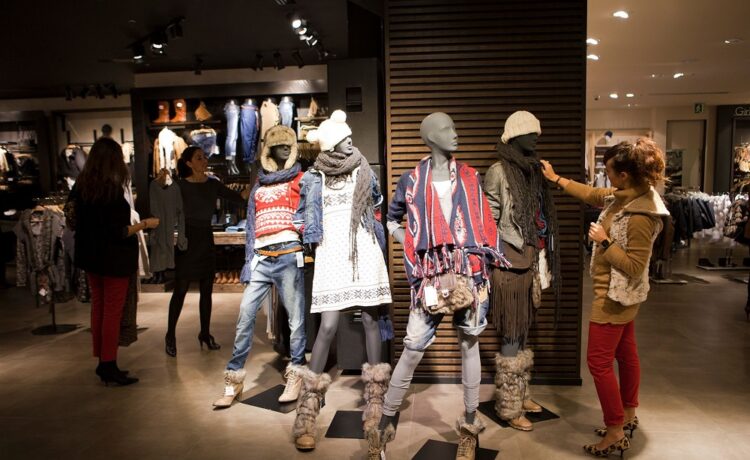
Fast fashion has transformed how people buy and consume clothing. Trend-driven, low-cost collections reach stores at record speed, encouraging frequent purchases. While this model makes fashion more accessible, it comes with serious environmental and social consequences that are increasingly difficult to ignore.
What Is Fast Fashion?
Fast fashion refers to the rapid production of inexpensive clothing inspired by current trends. These garments are designed for short-term use rather than durability, pushing consumers toward constant replacement.
Key features of fast fashion include:
-
Quick turnaround from design to retail
-
Low production costs
-
High-volume manufacturing
-
Trend-focused, short lifespan clothing
This system prioritizes speed and profit over sustainability.
Environmental Impact of Fast Fashion
The fashion industry is one of the most resource-intensive industries in the world. Fast fashion amplifies this impact through overproduction and waste.
Major environmental effects include:
-
Excessive water consumption in textile production
-
Chemical pollution from dyes and treatments
-
High carbon emissions from global supply chains
-
Synthetic fibers contributing to microplastic pollution
Large-scale production strains ecosystems and accelerates climate-related damage.
Textile Waste and Landfills
Fast fashion encourages disposable behavior. Clothing is often worn only a few times before being discarded.
Consequences of textile waste:
-
Millions of tons of clothing sent to landfills annually
-
Slow decomposition of synthetic fabrics
-
Overflowing waste systems in developing regions
-
Limited recycling infrastructure for mixed materials
Discarded clothing has become a growing global waste crisis.
Impact on Workers and Communities
Behind low prices are often poor labor conditions. Many fast fashion garments are produced in factories where workers face unsafe environments and inadequate wages.
Social concerns include:
-
Long working hours
-
Unsafe factory conditions
-
Limited worker rights
-
Exploitation of vulnerable communities
These conditions highlight the human cost hidden behind affordable clothing.
Economic Pressure on Local Industries
Fast fashion affects traditional and local clothing producers by undercutting prices and flooding markets with cheap alternatives.
This leads to:
-
Decline of local textile industries
-
Loss of skilled craftsmanship
-
Increased dependence on imports
-
Reduced economic resilience in local communities
The dominance of fast fashion weakens regional fashion ecosystems.
Consumer Behavior and Overconsumption
Fast fashion thrives on impulse buying and constant novelty. Marketing strategies promote the idea that outfits are disposable rather than valuable.
This mindset results in:
-
Closet overcrowding
-
Reduced appreciation for garment quality
-
Increased spending without long-term satisfaction
-
Growing environmental footprint per consumer
Overconsumption is central to the fast fashion problem.
The Role of Sustainability and Slow Fashion
As awareness grows, many consumers are rethinking their fashion habits. Slow fashion emphasizes quality, ethics, and longevity over speed.
Key slow fashion principles:
-
Buying fewer, better-made garments
-
Supporting ethical production
-
Choosing timeless styles
-
Repairing and reusing clothing
This shift challenges the fast fashion cycle and promotes responsible consumption.
Can Fast Fashion Become More Responsible?
Some brands are introducing eco-friendly materials and recycling programs. While these steps are positive, they often address symptoms rather than root causes.
True change requires:
-
Reduced overproduction
-
Transparent supply chains
-
Fair labor practices
-
Consumer willingness to buy less
Without structural change, sustainability efforts remain limited.
FAQs
1. Why is fast fashion harmful to the environment?
It uses excessive resources, produces pollution, and generates large amounts of non-biodegradable waste.
2. Does fast fashion affect developing countries more?
Yes. Many environmental and labor impacts are concentrated in developing regions where production occurs.
3. Are recycled fabrics a complete solution?
No. While helpful, recycling alone cannot offset overproduction and overconsumption.
4. How can consumers reduce fast fashion impact?
By buying less, choosing quality items, and supporting ethical brands.
5. Is fast fashion always unethical?
Not always, but the industry model often prioritizes profit over people and the planet.
6. What is the biggest social issue in fast fashion?
Unsafe working conditions and unfair wages for garment workers.
7. Can fashion trends exist without fast fashion?
Yes. Trends can evolve through sustainable design, craftsmanship, and responsible production.