

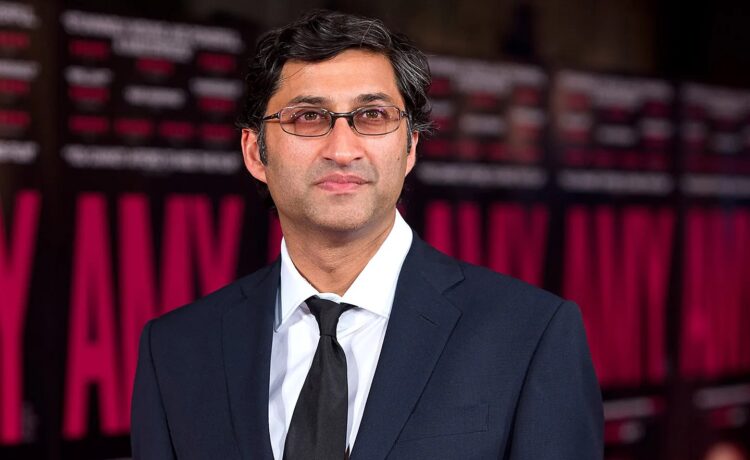
Asif Kapadia has become synonymous with a transformative style of documentary filmmaking that blends rigorous archival research with compelling cinematic storytelling. His work consistently challenges traditional documentary conventions by eschewing standard interviews and voiceovers in favor of a mosaic-like assembly of found footage. This method allows Kapadia to craft deeply immersive narratives that reveal the complexities of his subjects without overt commentary.
Kapadia’s breakthrough came with Senna, a documentary about the Brazilian Formula One driver Ayrton Senna. Kapadia spent months studying archival footage before filming began, immersing himself in the subject’s world. This approach fostered an intimate understanding that enabled him to shape a narrative purely through images and sound. By avoiding direct interviews and focusing on contemporaneous footage, Kapadia created a vivid, emotionally charged portrait that resonated worldwide.
The collaboration with editor Chris King has been vital in refining this archive-first approach. Their partnership evolved with Amy, where they introduced innovative techniques such as integrating Amy Winehouse’s song lyrics onscreen to deepen emotional resonance. This fusion of visual and musical storytelling enhanced the documentary’s ability to connect viewers to Winehouse’s inner life. Kapadia’s attention to sonic landscape and typography demonstrates his dedication to pushing documentary aesthetics.
In his latest film, 2073, Kapadia explores new territory by merging documentary footage with speculative fiction. The film uses cutting-edge LED stage technology and two distinct editing teams to interweave real-world archival material with dramatic reenactments. This hybrid form presents a dystopian vision of the future shaped by climate disasters and authoritarian regimes, emphasizing the urgency of contemporary social and political challenges. The character Ghost, portrayed by Samantha Morton, navigates this harsh landscape, providing a human perspective within a fractured world.
Kapadia’s personal experiences and political awareness inform the thematic core of 2073. His decade-long surveillance experience in the United States and his multicultural perspective give him a unique lens to analyze global authoritarianism and technological control. The film’s “cartographic” editing maps patterns of political power and resistance across nations, highlighting how interconnected these forces are. This approach pushes viewers to recognize the systemic nature of current crises, rather than perceiving them as isolated incidents.
The reception of Kapadia’s work varies depending on regional political contexts, reflecting the local relevance of global issues. Kapadia notes that 2073 takes on different meanings for audiences based on their immediate social realities, which speaks to the universal yet varied impact of the film’s themes. His goal is to provoke thoughtful reflection and action, not to offer simplistic answers. This commitment to complexity sets his films apart.
The partnership between Kapadia and Chris King exemplifies a successful long-term creative collaboration that balances innovation with archival authenticity. Their work on 2073 demonstrates how documentary techniques can be adapted for new storytelling challenges, including the incorporation of speculative and future-oriented narratives. This approach expands the documentary genre’s possibilities, allowing it to engage with pressing contemporary issues while maintaining journalistic integrity.
Asif Kapadia’s influence on documentary cinema lies in his ability to blend personal stories with broader social systems, revealing the interplay between individual lives and historical forces. His mosaic-like narratives invite viewers to reconsider the past as a living, dynamic process that shapes the present and future. Through his pioneering use of archival footage and cinematic innovation, Kapadia continues to push the boundaries of nonfiction storytelling.