

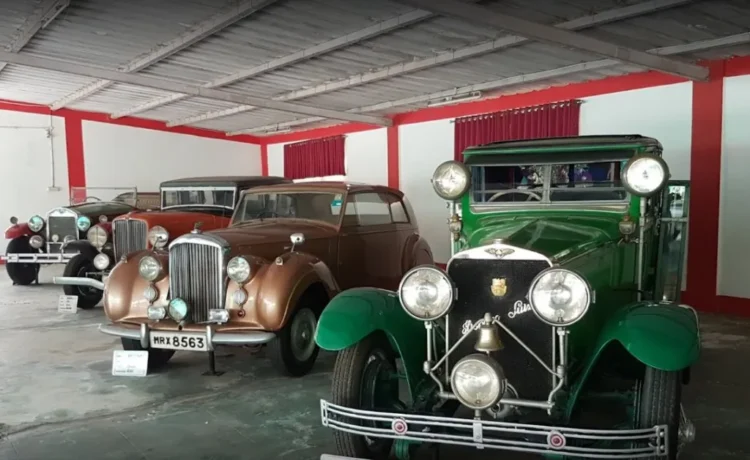
The automobile, often simply referred to as the auto, has become more than just a mode of transport. It is a symbol of freedom, a driver of economies, and a subject of continuous innovation. From its early beginnings to the modern era of electric and autonomous vehicles, the auto industry has shaped societies in profound ways.
The Evolution of the Automobile
The auto has undergone a fascinating transformation over the last century. The earliest cars were handcrafted and accessible only to the wealthy, but advances in mass production soon brought them to the general public. Over time, improvements in engines, safety systems, and design created vehicles that were faster, safer, and more efficient.
Key Milestones in Auto Development
-
Mass production methods that made cars affordable for ordinary families
-
Introduction of safety features such as seatbelts, airbags, and crumple zones
-
Technological innovations including fuel injection, anti-lock braking, and electronic stability control
-
Environmental progress with the introduction of hybrid and electric cars
Each of these milestones reflects how the auto has adapted to meet the needs of drivers and societies alike.
The Economic Role of Autos
The auto industry is one of the largest contributors to the global economy. It provides millions of jobs across manufacturing, logistics, sales, and service. Entire regions and cities have grown around automobile production, and the demand for related industries such as steel, glass, electronics, and software continues to rise.
How Autos Drive Economies
-
Employment opportunities in factories, dealerships, and service centres
-
Support for infrastructure projects such as roads, highways, and fueling stations
-
Contribution to trade and exports by supplying vehicles worldwide
-
Innovation hubs where research in automotive technology spills into other industries
Autos and Modern Lifestyle
For many, the auto represents independence and convenience. Cars allow individuals to live further from city centres, commute efficiently, and explore regions that might otherwise be inaccessible. Beyond utility, cars also carry cultural significance. From motorsports to classic car clubs, autos are at the heart of countless hobbies and passions.
Cultural Impact
-
Road trips and family holidays often rely on cars
-
Car design has influenced fashion, music, and cinema
-
Certain vehicles have achieved iconic status, representing entire eras
The Shift Towards Sustainability
One of the most significant changes in recent decades has been the push for sustainable autos. Concerns over climate change and air quality have led to rapid developments in electric vehicles, hydrogen fuel technology, and eco-friendly materials.
Green Innovations
-
Electric vehicles (EVs) powered by batteries with expanding ranges
-
Hybrid systems combining petrol and electric motors
-
Lightweight materials that reduce fuel consumption
-
Smart mobility systems that encourage car sharing and efficient urban transport
The future of the auto is being shaped by a commitment to reduce emissions while maintaining performance and convenience.
Technology and the Future of Autos
Technology is revolutionising the auto industry. Features that were once considered futuristic are now standard in many models. Cars have become computers on wheels, integrating advanced software with mechanical engineering.
Notable Technological Advances
-
Autonomous driving systems using cameras, sensors, and AI
-
Connected cars that link to smartphones, traffic systems, and the internet
-
Advanced safety features such as lane-keeping assist and adaptive cruise control
-
Customisable experiences with infotainment, climate control, and smart interfaces
Challenges Facing the Auto Industry
Despite progress, the auto sector faces several challenges. Supply chain disruptions, rising material costs, and global competition put pressure on manufacturers. At the same time, consumers are demanding safer, cleaner, and more affordable vehicles.
Major Challenges
-
Balancing affordability with advanced technology
-
Transitioning away from fossil fuels
-
Addressing safety concerns with autonomous technology
-
Navigating regulatory requirements and environmental standards
The Human Connection to Autos
Beyond mechanics and economics, there is a personal side to autos. Many people form emotional connections with their cars, seeing them as part of their identity. The car you drive often reflects your personality, lifestyle, and values.
Emotional Value
-
First cars often hold sentimental importance
-
Classic cars are restored and preserved as treasures
-
Luxury autos are seen as status symbols
-
Everyday cars represent reliability and comfort
FAQs About Autos
What is the future of the auto industry?
The future will likely be dominated by electric vehicles, autonomous technology, and sustainable practices. Cities are preparing for smart mobility solutions, and car ownership models may evolve towards subscription and sharing systems.
How do electric autos compare to petrol cars?
Electric autos are quieter, produce no tailpipe emissions, and can be cheaper to run in the long term. However, their range and charging infrastructure still vary by region.
Why do people form emotional bonds with their cars?
Cars often symbolise independence, milestones in life, and personal achievement. A first car or a long-time family vehicle carries memories that make it more than just transport.
What role do autos play in reducing carbon emissions?
By adopting electric and hybrid systems, as well as encouraging efficient driving practices, autos can help reduce reliance on fossil fuels and support cleaner urban environments.
Are autonomous autos safe?
While still being refined, autonomous technology aims to reduce accidents caused by human error. Advanced safety systems are already improving road safety, though full autonomy is still developing.
How will autos change urban living?
With electric fleets, car sharing, and smart traffic systems, cities may see reduced congestion and pollution. Autos will likely become integrated into larger networks of sustainable urban mobility.